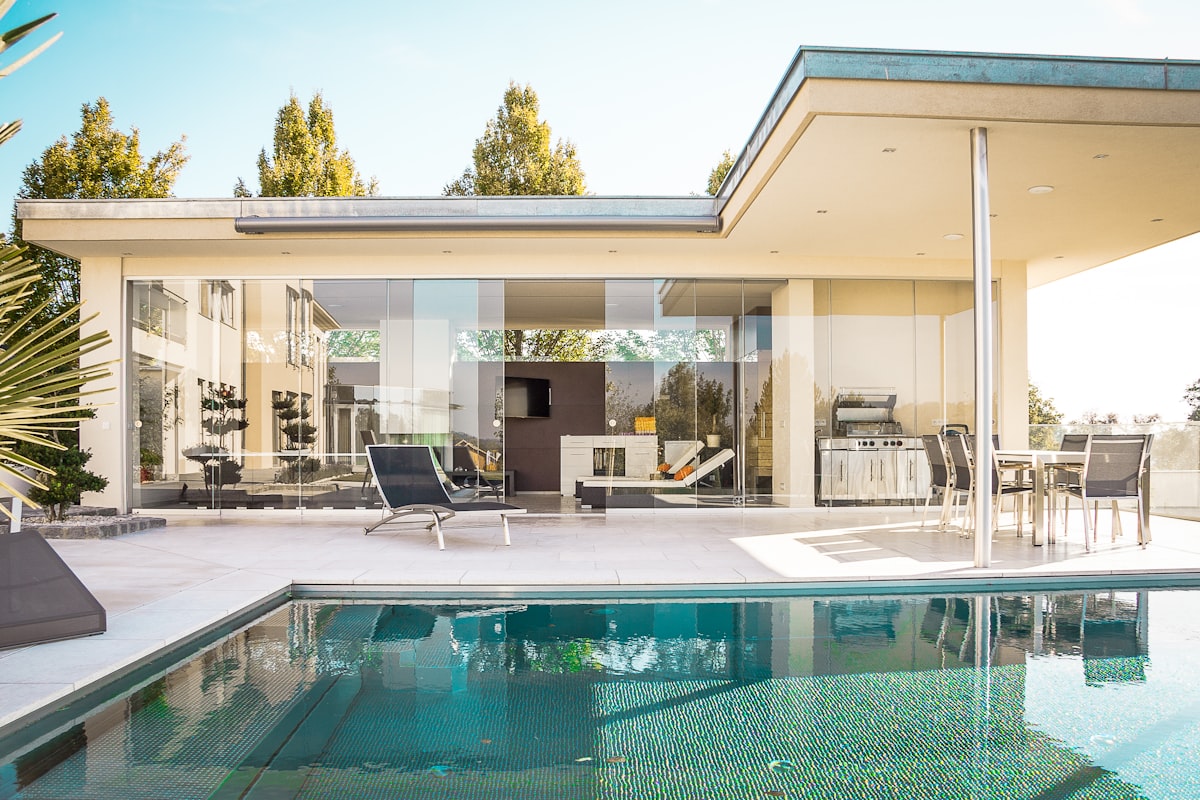
What is a timeshare week, exactly?
A timeshare is a form of shared property ownership where multiple parties each hold the right to use a resort unit for a specific period each year — typically one week. A deed holder might own "Week 12 at Beacon Island Resort in Plettenberg Bay", which means every year, around late March, that apartment is theirs.
South Africa has one of the most developed timeshare industries on the continent, with hundreds of resort properties spanning the coast, the bushveld, and the mountains. Decades of sales activity means there are tens of thousands of deeded weeks held by South African families — many of whom can no longer travel, have outgrown the resort, or simply bought more weeks than they can use.
That surplus is exactly what makes timeshare rentals possible.
How the rental model works
When an owner can't use their week, they have two choices: let it lapse (and still pay the annual levy) or rent it out. Renting through a verified marketplace like MangoGroove means the week is listed, a renter books it, and the owner receives rental income that offsets — or exceeds — their annual levy cost.
The three-party structure looks like this:
- Owner: holds the deeded right to the week and lists it on MangoGroove after identity and deed verification
- MangoGroove: verifies both parties, facilitates the agreement, handles payment in escrow, and issues the booking certificate
- Renter: books the week, pays securely, receives the certificate, and checks in at the resort as a verified guest
The resort itself doesn't change. You're staying in the same property the owner would occupy — same room category, same amenities, same check-in desk.
What you actually get as a renter
This is where timeshare rentals pull ahead of hotels in a meaningful way. Most timeshare units are apartments, not rooms. A standard timeshare week at a coastal resort typically gives you:
- A fully equipped self-catering kitchen — fridge, hob, oven, crockery, the lot
- A separate lounge and dining area
- One to three bedrooms with en-suite bathrooms
- A private balcony, often with resort or ocean views
- Full access to the resort's pools, restaurants, gym, and spa
For a family of four, you're no longer paying for two hotel rooms or eating every meal at a restaurant. For a couple, you have the space of a serviced apartment in a resort setting. Either way, the value-per-square-metre is dramatically better than a comparable hotel stay.
Why the price is so much better than booking direct
Resort operators sell timeshare at retail — the original purchase price of a week can run from R40,000 to well over R200,000 depending on the resort and season. An owner who paid that price ten years ago simply needs their annual levy covered. Their incentive is income, not profit maximisation.
That means a renter on MangoGroove can typically access a week at a five-star SA resort for R3,000 to R7,000 — the same resort that might charge R2,000 to R3,500 per night if you tried to book the equivalent accommodation directly.
The savings are real, and they're structural. The owner already paid for the week. You're accessing something that would otherwise go unused.
What to look for when browsing weeks
A few things worth checking before you join a waitlist or make a booking:
- Resort rollout status. MangoGroove shows each resort's current status honestly. "Accepting Waitlist" means verified weeks aren't listed yet — join the waitlist and you'll be first to hear when they are.
- Week number. South African resorts use numbered weeks (1–52). Week numbers during school holidays command higher prices. If your dates are flexible, mid-season weeks offer the best value.
- Sleeps. Timeshare units range from studios to three-bedroom apartments. Match the unit to your group size — "sleeps 6" is almost always a full apartment, not a converted lounge.
- Amenities. Check what's included. Some resorts are full-service with restaurants, spas, and kids' clubs. Others are self-catering only. Both are valid — it depends on what kind of holiday you want.
Is it safe to rent a timeshare week?
Through a verified marketplace, yes. The risk in timeshare rentals has historically come from private deals — cash paid to a stranger on Facebook with no paper trail, no verification, and no recourse if the booking turns out to be fraudulent.
MangoGroove eliminates that risk by verifying every owner's identity and their legal right to the week before any listing goes live. Payment is held in escrow and only released after the renter has checked in. The resort receives formal notification of the authorised guest. There's a certificate, there's a record, and there's a process — which is what distinguishes a legitimate rental from a private scam risk.